

How BERO Launched with Dataships and Drove $461K in Repeat Purchase Revenue
BERO launched with Dataships already live: a 94% email marketing consent rate, 45,502 net-new email and SMS subscribers, and 101,838 consent records across 93 countries.
A launch brand with no legal team
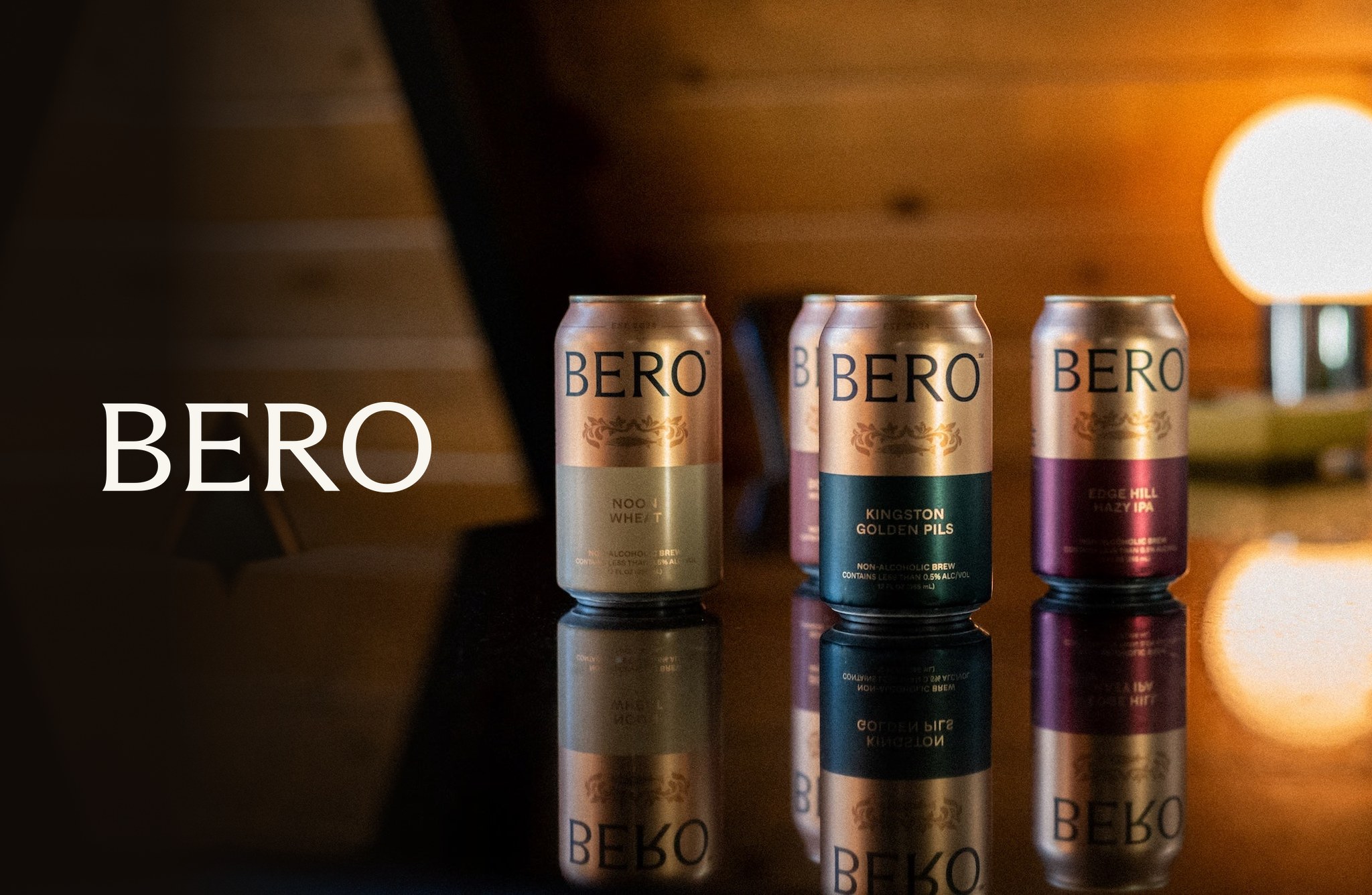
BERO is a premium non-alcoholic beer founded by Tom Holland. The brand sells DTC in the US and UK on Shopify, using Klaviyo for direct marketing. Hyojin Park, Senior Director of E-Commerce, joined as employee number six and owns DTC for both markets plus Amazon.
Most brands arrive at direct marketing consent late, with a list already built and opt-in points spread across platforms that were never designed to agree with each other. BERO had the rarer version of the problem. As a new brand, there was no list to clean up, no history to reconcile, and no way to forecast launch demand.
A celebrity founder guarantees attention. It does not guarantee transactions, and it says nothing about how many of the shoppers who do convert a brand will be able to successfully (and legally) remarket to afterward. BERO was launching into multiple markets at once, with no internal legal team and a digital function of one.
Park had spent seven years in alcohol, where every major decision ran through legal counsel. “Here it actually makes marketing compliance feel more important, because we don’t have that big internal legal team behind us,” she said. “And we have to move so quickly.”
BERO’s launch agency, PB&J, recommended Dataships before the store went live.
Optimized marketing consent from day one
Dataships, the direct marketing consent engine behind BERO’s email and SMS opt-ins, has been live since the earliest days of their trading. Every shopper sees an email consent ask and an SMS consent ask matched to the law in their market, with regional enforcement running underneath so no ask that would put BERO out of compliance is ever shown.
That logic shows up directly in the results. The US ask runs on implied consent and lands at 99.13%. The UK ask runs on soft opt-in and still lands at 84.02% for email and 87.63% for SMS. The lift is measured against their default Shopify consent rate, and every opt-in is written as a permanent, timestamped record.
Setup was measured in days. “The initial setup was quick, it was seamless,” Park said.
Two years, 101,838 consent records
BERO’s email marketing consent rate runs at 94%, against 15% in the control. That is a 79 percentage point difference, and on the same 57,241 verified contacts it is the difference between 8,586 subscribed contacts and 53,667.
- 32,712 net-new email subscribers that the control setup would not have captured. A further 20,952 verified contacts were already on BERO’s list, and are excluded from that count
- 12,790 net-new SMS subscribers, from 15,528 SMS opt-ins. Outside the US, where carrier rules are less strict, SMS consent runs at roughly 85%
- 8,699 repeat purchases and $461,183 in repeat purchase revenue from net-new subscribers
- 101,838 consent records across 93 countries, currently accruing at 151 per day
“The launch was much bigger than we thought and the traffic was tremendous,” Park said. “Without Dataships, we wouldn’t have captured nearly the amount of volume that we did from all the transactions. It instantly showed us its value.”
Two years in, Dataships accounts for more than 70% of BERO’s entire Klaviyo list, and Park reports that list running at a 93% engagement rate with repeat purchase rates hovering around 20%. Performance between the Dataships-sourced audience and the rest of the list is consistent, so BERO gets to claim that volume without a quality trade-off.
Shopper experience has held up alongside the volume. In two years and over 100,000 consent records, BERO has fielded one piece of customer pushback about how they were opted in, resolved with a short explanation.
What compliance coverage is worth to a lean team
BERO is actively evaluating new markets, and for a team without a dedicated lawyer the regulatory side of that expansion is handled upstream. “It gives you peace of mind knowing that you guys are already on top of it, educating me with those newsletters about what’s changing in France, Italy,” Park said. “Especially for lean teams like ours. It’s a critical partner.”
What’s next: every collection point, not just checkout
Checkout is one surface. BERO also collects opt-ins through Shopify forms, Klaviyo forms, and third-party apps, each with its own wording and its own behavior. The team is now consolidating those behind Dataships so every ask reads the same, obeys the same rules, and writes to the same audit log.
“Honestly, I think we made a mistake. Not by launching with Dataships, but by not having Dataships everywhere we collected consent from the beginning.
If you adopt Dataships halfway through and you already have a list, it is a lot of work to go back and make every opt-in point consistent: same language, same behavior. It is a project to undertake, and I wish we had done it from the start, because we had the opportunity to as a brand-new brand.
The tools Dataships is adding are incredibly useful, and Dataships makes it easy to adopt all the new functionality. I just feel like we did ourselves a disservice by not doing it from the beginning.”
Hyojin Park, Senior Director of E-Commerce, BERO
Asked what she would tell a peer running CRM or growth at a brand her size or larger, Park shares: “To me it’s a no-brainer. For new brands it’s good peace of mind to know you’re collecting in a compliant way. For more mature brands, it’s still worth it to make sure you have a consistent, compliant experience.”
Book a demo today.






See How Much Revenue You’re Missing Out On
